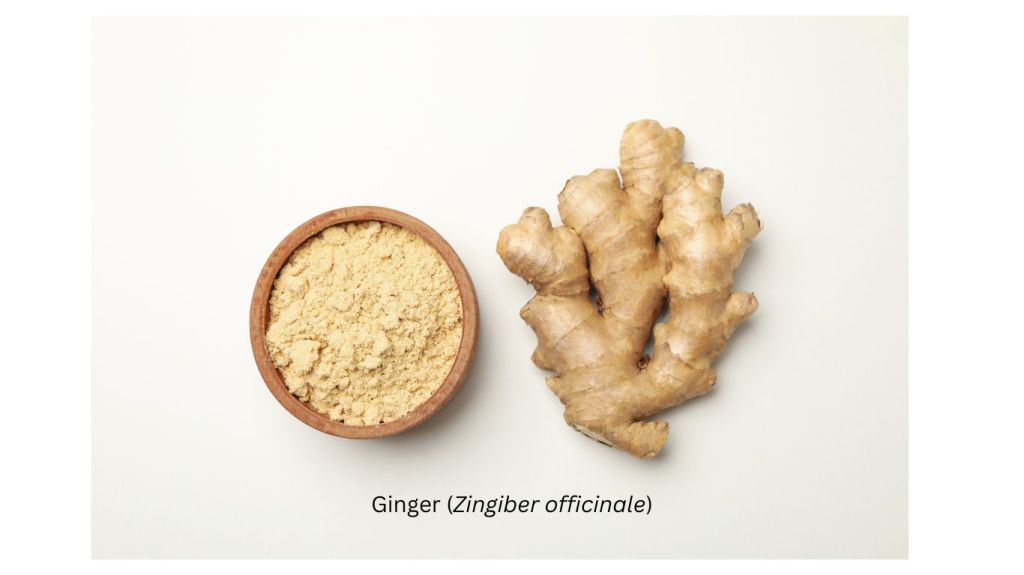
For thousands of years, ginger (Zingiber officinale) has been revered in traditional medicine for its ability to heal, soothe, and protect the body. From the healing halls of Traditional Chinese Medicine (TCM) to Ayurvedic practices in India, ginger has been a staple remedy for a wide range of ailments. But what does modern science say?
Recent research confirms that ginger is more than just a flavorful spice—it’s a potent medicinal plant with bioactive compounds that support digestive health, reduce inflammation, and even protect against chronic diseases. Let’s explore ginger’s journey from ancient wisdom to modern scientific validation.
Ginger in Traditional Medicines
1. Traditional Chinese Medicine (TCM) and Ginger
In Traditional Chinese Medicine (TCM), ginger is used in different forms depending on its intended medicinal function. It is believed to:
✔ Expel cold and warm the body
✔ Improve digestion and relieve nausea
✔ Boost circulation and alleviate pain
✔ Enhance the effects of other herbs in TCM formulas
Common TCM Preparations:
- Fresh Ginger (Shēng Jiāng, 生姜) – Used to fight colds, reduce nausea, and detoxify food poisoning.
- Dried Ginger (Gān Jiāng, 干姜) – Warmer and stronger, used for digestive issues and Yang deficiency.
- Ginger Juice (姜汁, Jiāng Zhī) – Often added to herbal mixtures for stomach relief and detoxification.
- Roasted Ginger (Pào Jiāng, 炮姜) – Used to stop internal bleeding and warm the digestive system.
In TCM, ginger is often prescribed alongside other herbs to enhance its healing effects.
2. Ayurvedic and Other Traditional Uses
In Ayurvedic medicine, ginger is called “Vishwabhesaj,” meaning “universal medicine.” It is used to:
- Aid digestion and relieve bloating
- Reduce joint pain and inflammation
- Boost respiratory health (especially for coughs and colds)
- Enhance circulation and detoxification
In Middle Eastern and African medicine, ginger has been used for centuries to treat indigestion, respiratory ailments, and infections. In folk medicine, it has been a go-to remedy for nausea, colds, and menstrual discomfort.
Modern Science: What Research Says About Ginger’s Health Benefits
Thanks to modern research, we now understand why ginger has been so widely used in traditional medicine. It’s packed with bioactive compounds such as gingerols, shogaols, and zingerone, which are responsible for its medicinal properties.
1. Digestive Health & Nausea Relief
- Anti-Nausea Powerhouse – Clinical studies confirm that ginger is effective in reducing nausea from pregnancy, motion sickness, chemotherapy, and post-surgery recovery.
- Gut Health & Digestion – Ginger stimulates digestive enzymes and speeds up gastric emptying, helping to relieve bloating, indigestion, and acid reflux.
💡 Tip: Drink a cup of warm ginger tea before meals to support digestion.
2. Anti-Inflammatory & Pain-Relieving Effects
- Joint Pain & Arthritis – Studies show that ginger extract can significantly reduce pain and stiffness in osteoarthritis patients, working similarly to NSAIDs but with fewer side effects.
- Muscle Recovery – Ginger can reduce exercise-induced muscle soreness and lower inflammatory markers.
💡 Tip: Add fresh or powdered ginger to smoothies or take it as a supplement to combat inflammation.
3. Heart & Metabolic Health
- Blood Sugar Regulation – Ginger has been found to improve fasting blood sugar levels and insulin sensitivity, making it beneficial for type 2 diabetes management.
- Cholesterol & Blood Pressure Control – Studies suggest ginger reduces LDL (bad cholesterol), improves circulation, and lowers blood pressure, supporting heart health.
💡 Tip: Include ginger in your diet daily by adding it to tea, soups, or stir-fries.
4. Immune System & Antioxidant Protection
- Fights Infections – Ginger has antimicrobial and antiviral effects, making it a great natural defense against colds, flu, and bacterial infections.
- Antioxidant Power – The bioactive compounds in ginger help combat oxidative stress, reducing the risk of chronic diseases like cancer and neurodegenerative disorders.
💡 Tip: Take a ginger shot with lemon and honey when you feel a cold coming on!
5. Brain Health & Cognitive Function
- Cognitive Boost – Some research suggests that ginger may enhance brain function, memory, and reaction times in older adults.
- Neuroprotective Effects – The anti-inflammatory and antioxidant properties of ginger may help protect against Alzheimer’s and other neurodegenerative diseases.
💡 Tip: Add ginger to your diet regularly to support long-term brain health.
How to Incorporate More Ginger into Your Diet
Want to enjoy the benefits of ginger every day? Here are some easy and delicious ways to add it to your routine:
✔ Ginger Tea – Simply steep fresh ginger slices in hot water for a soothing tea.
✔ Smoothies & Juices – Add fresh or powdered ginger for a spicy kick.
✔ Ginger Shots – Combine fresh ginger juice with lemon and honey for an immune boost.
✔ Cooking – Use ginger in stir-fries, soups, and marinades for extra flavor.
✔ Baking – Add ginger to cookies, muffins, and granola for a warm, spicy touch.
Final Thoughts: Ginger, A Timeless Superfood
Ginger isn’t just a kitchen staple—it’s a powerful medicinal plant that has stood the test of time. From traditional Chinese and Ayurvedic medicine to modern clinical research, its benefits for digestion, inflammation, immunity, and brain health are well-documented.
If you’re looking for a natural way to boost your health, ginger might just be the spicy solution you need!
👉 How do you like to use ginger in your daily routine? Share your favorite recipes in the comments!
References
Singletary, Keith. “Ginger: An overview of health benefits.” Nutrition Today 45.4 (2010): 171-183.

 Zen Life Reviews
Leave a comment